SPD opens consultation on long-term plans for Avondale and Wahroonga estates
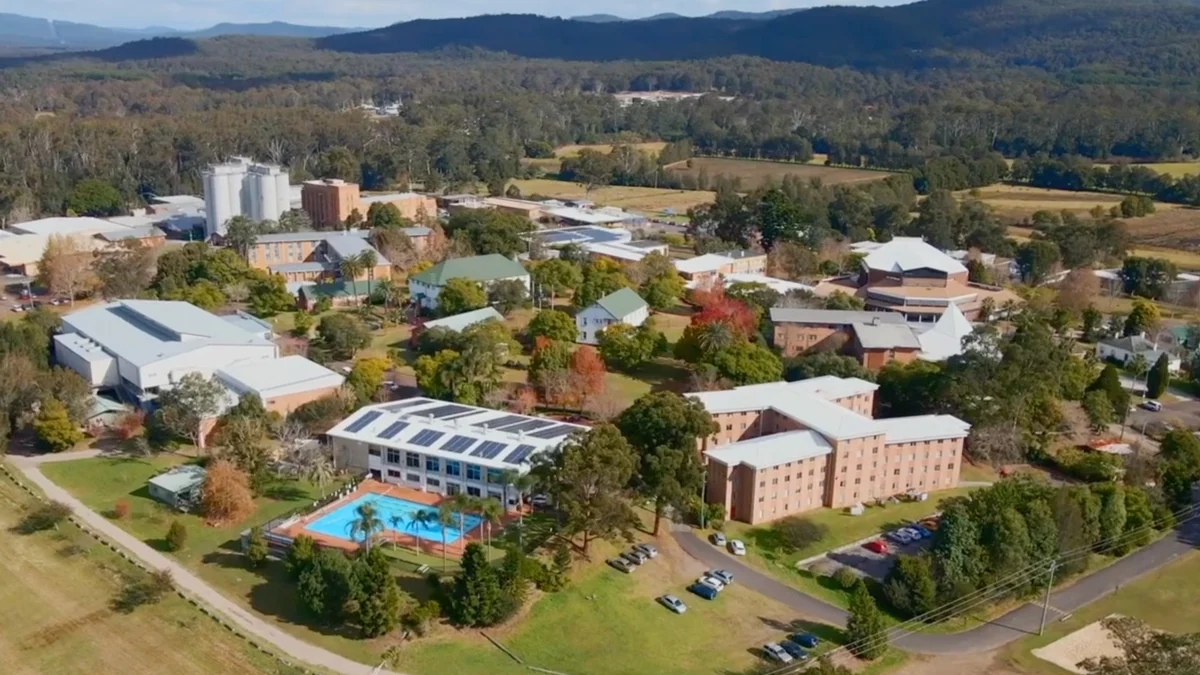
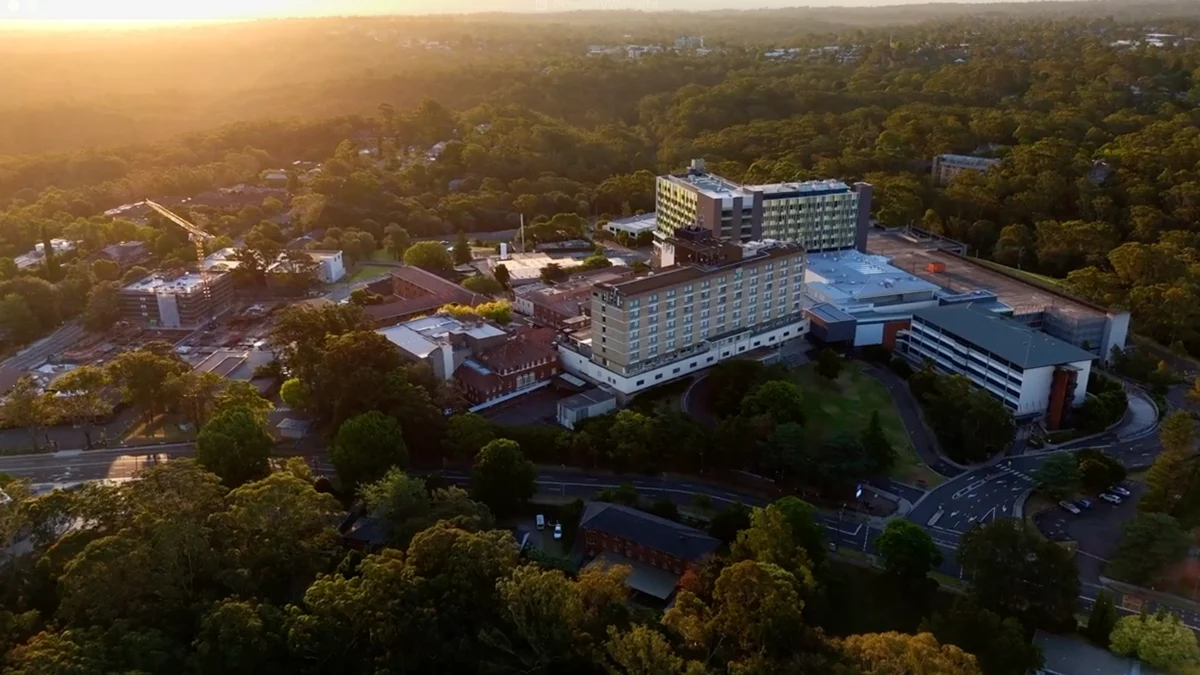
The South Pacific Division (SPD) has begun the process of creating long-term masterplans for both the Wahroonga Estate in Sydney and the Avondale Estate in Cooranbong.
Leaders emphasise that the process is in its early, consultative stages, with nothing locked in. The focus is on preparing the estates for the decades ahead by addressing long-standing zoning issues, understanding infrastructure needs and supporting the mission of the Church across both sites.
SPD chief financial officer Francois Keet said the masterplans will be shaped through extensive consultation with all entities on each estate, including the local churches.
“This is an open conversation,” Mr Keet said. “We are asking questions and listening. The churches have been invited into the process because they are an important part of the estate. They can choose to participate or choose not to—either choice is fully respected.
“We’re at the stage of dreaming and possibilities. Nothing is predetermined. This is simply an opportunity for churches and other entities to consider what their future ministry could look like in 20 or 30 years, if they want to explore those ideas.”
Why masterplans are needed
At Wahroonga, a pending fire safety order on the San’s Clifford Tower has required the SPD to review the long-term needs of the precinct. “When there are major infrastructure challenges, it’s wise to step back and look at the broader estate to understand what’s required for the future,” Mr Keet said.
At Avondale, the need is different but equally important. Since the 1800s, the estate has been divided into numerous small lots separated by “paper roads”—roads marked on plans but never built. The local council has asked the SPD to resolve these anomalies so the estate can operate cohesively.
A further consideration is the zoning of the old Sanitarium factory site, which is still classified as industrial land. This limits how the land can be used. “As it stands, the old factory can only be used for industrial purposes,” said Division Property Trust manager Lorin Bradford. “But the Church may want to use that land to support Avondale University or other ministry needs in the future. Without a zoning change, none of that is possible.
“Cooranbong is no longer a small rural town,” he added. “It’s part of a rapidly growing region. We want the estate to be structured in a way that supports the Church’s mission into the future, not locked into restrictions from more than a century ago.”
Opportunities for local churches—if they choose
While participation is optional, leaders say masterplanning opens the door for local churches to consider long-term ministry possibilities such as developing centres of influence for their communities.
“The churches have the freedom to simply continue as they are, or to explore new possibilities. Either option is perfectly acceptable,” Mr Keet said. “This is about opportunity, not obligation.”
Leaders stress that the purpose of masterplanning is to strengthen mission by ensuring the estates are functional, future-ready and able to support the ministries located on them.
“This is about mobilising resources for mission,” Mr Keet said. “We are preparing the estates so the Church can continue to thrive for generations to come.”